
Tag Archives: enterprise software

Beyond IdeaPlace: The Top Spigit Alternative for Enterprise Innovation in 2026

Beyond IdeaPlace: The Top Spigit Alternative for Enterprise Innovation in 2026
Coby Skonord|
August 23, 2026

Legacy innovation software has officially become a “participation tax” that drains corporate resources without delivering clear financial returns. While the global innovation management market is projected to reach $20.48 billion in 2026, many organizations searching for a modern Spigit alternative find themselves stuck with platforms that require full-time administrative teams just to keep the lights on. You likely recognize the frustration. High-potential ideas often stall because the manual evaluation process is too slow or the interface is too clunky for widespread adoption.

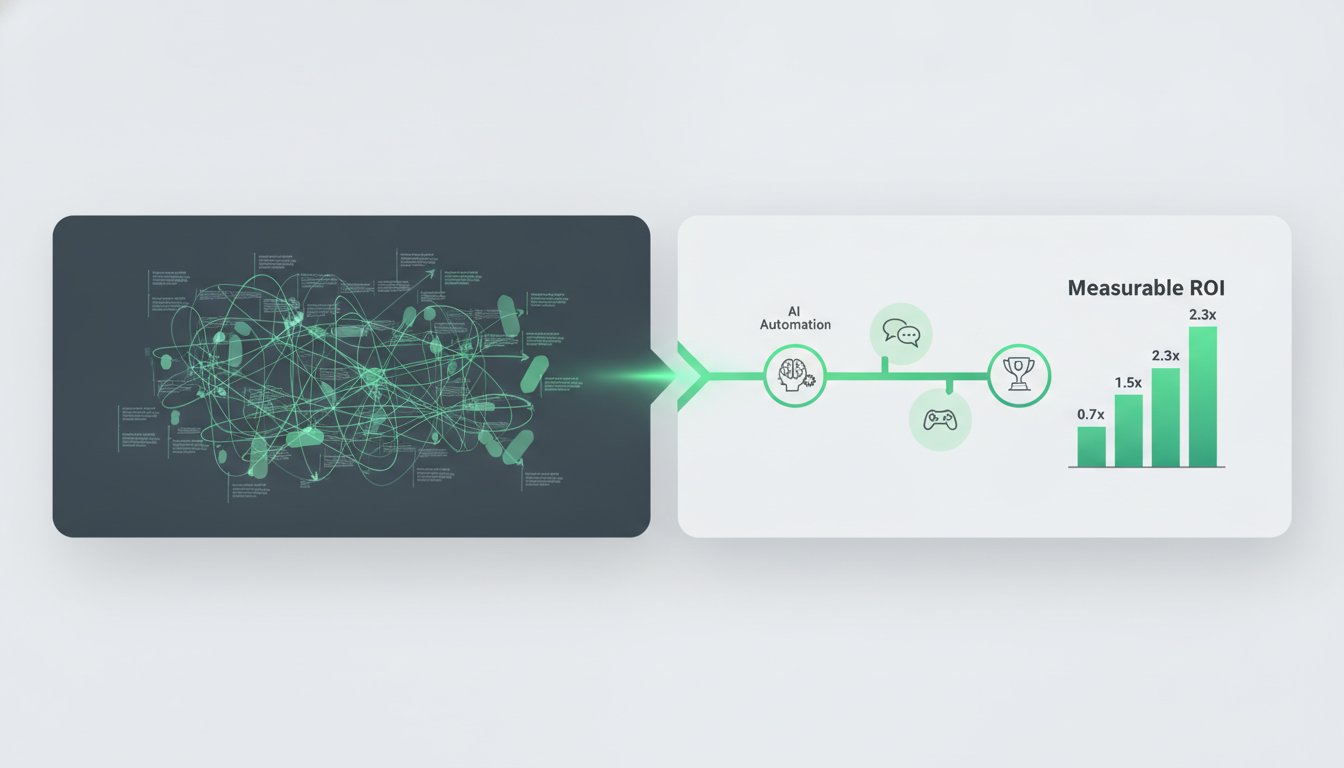
Finding a superior solution isn’t just about switching vendors; it’s about moving from a passive suggestion box to a results-driven ecosystem. This article explains why enterprises are transitioning away from complex legacy systems in favor of agile, AI-first platforms that automate the innovation lifecycle. We’ll examine how to select a solution that uses gamification to drive participation and provides the end-to-end ROI measurement necessary to prove your program’s value to the board. By the end, you’ll have a clear framework for selecting a partner that turns raw creativity into a measurable competitive advantage.

Key Takeaways

  • Understand the shift from centralized databases to collaborative ecosystems and learn how to eliminate the administrative burden inherent in legacy systems.
  • Identify a Spigit alternative that utilizes AI-driven automation to reduce manual administrative tasks by up to 50% through automated duplicate detection.
  • Compare implementation timelines to see how modern cloud-native architectures enable full enterprise deployment in just 4 to 6 weeks.
  • Discover how to leverage gamification and leaderboards to drive sustained employee engagement and increase participation across your innovation pipeline.
  • Follow a structured framework for auditing existing data and transitioning active ideas to ensure zero disruption to your innovation ROI.

The Evolution of Innovation Management: Why Legacy Spigit Users are Switching

The landscape of innovation management has undergone a fundamental transformation since the early days of centralized databases. In the “Idea Management 1.0” era, platforms functioned as static repositories where suggestions often went to die. Today, the 2026 enterprise requires a collaborative ecosystem that prioritizes action over storage. Many organizations are realizing that their legacy tools are essentially digital suggestion boxes that fail to drive real growth. This realization is fueling the search for a modern Spigit alternative that can handle the complexities of a decentralized workforce while maintaining high levels of engagement and transparency.

One of the most significant burdens of legacy systems is the “Administrative Tax.” Older platforms often require one or two full-time administrators just to manage workflows, filter duplicates, and chase status updates. This overhead is a hidden cost that eats into the program’s budget. Common administrative drains include:

  • Manual categorization of hundreds of similar submissions.
  • Constant follow-up with subject matter experts for evaluations.
  • Generating manual reports for executive leadership.

The Rise of the Agile Innovation Lifecycle

The rigid, waterfall-style workflows of the past have been replaced by iterative, agile pipelines. Speed-to-market is now the primary metric for success. Organizations must balance incremental vs radical innovation to stay competitive in a digital-first world. A modern Spigit alternative facilitates this by allowing teams to test, pivot, and scale ideas quickly. This shift ensures that the innovation lifecycle remains fluid rather than getting stuck in endless committee reviews. It’s about moving fast and learning faster to capture value before the market shifts.

The Adoption Problem: Why “Shelfware” Happens

Software only works if people use it. Complex, over-engineered user interfaces often lead to a sharp decline in employee participation. Some industry professionals report that poorly designed platforms can see engagement drop by as much as 70% over time. These innovation failures often stem from the psychological barrier of “tool fatigue.” Instead of focusing on innovation skills for generating new ideas, employees spend their time trying to navigate confusing forms. Success in 2026 requires a platform that feels as intuitive as a consumer app, removing friction at every touchpoint to keep the creative pipeline full.

4 Non-Negotiable Features of a Modern Spigit Alternative

Selecting a Spigit alternative in 2026 requires looking beyond basic feature lists. You need a platform that actively reduces the workload for your innovation team while maximizing the quality of output. Legacy tools often fail because they focus on the volume of ideas rather than the velocity of implementation. To avoid the “shelfware” trap discussed in the previous section, your new platform must excel in four specific areas: AI-driven automation, strategic gamification, verifiable ROI tracking, and administrative self-sufficiency. These aren’t just “nice-to-haves.” They are the backbone of a program that survives the first year of deployment.

AI Tools for Innovation Managers: The Efficiency Leap

The primary bottleneck in enterprise innovation is evaluation. Using AI tools for innovation managers allows your team to score and prioritize thousands of submissions without manual intervention. Instead of spending weeks on keyword searches, Ideawake AI automates the “first pass” evaluation by clustering similar ideas and detecting duplicates instantly. This saves hundreds of hours of administrative work. AI also provides sentiment analysis and trend spotting across global teams, identifying high-potential concepts that might otherwise be buried in the noise. It turns a chaotic inbox into a prioritized roadmap.

Gamification and Employee Engagement Dynamics

Sustaining long-term interest in employee ideation programs requires more than just a submission form. Strategic gamification, including leaderboards and voting, creates a sense of community and healthy competition. Industry research suggests that gamified platforms can increase participation rates significantly compared to static systems. You can also deploy specific “Innovation Challenges” to solve urgent business problems in under 30 days. These time-bound sprints focus the collective intelligence of your workforce on high-value targets, ensuring engagement stays high because employees see their contributions leading to tangible action.

Finally, your platform must offer end-to-end ROI tracking and administrative efficiency. You should be able to link a raw idea directly to its final dollar-value impact through a transparent dashboard. If you need to change a workflow or update a scoring criterion, you shouldn’t have to call an expensive consultant. This level of self-service configuration is what defines a top-tier Spigit alternative. If you’re ready to see how these features function in a live environment, you can explore our full suite of innovation tools to see how they fit your specific needs.

Comparing Planview IdeaPlace vs. Modern Alternatives

When evaluating a Spigit alternative, the primary differentiator is the technical architecture. Planview IdeaPlace is integrated into a broad Work Resource Management suite, which often results in a complex, legacy-integrated structure. In contrast, modern platforms like Ideawake are cloud-native. This architectural difference directly impacts implementation speed. While legacy enterprise deployment can drag on for 6 to 12 months, a modern cloud-native system allows organizations to go live in just 4 to 6 weeks. This speed is critical for maintaining momentum and proving early value to stakeholders.

The user interface also marks a clear divide. Legacy tools often mirror the design of 2010-era enterprise software. A modern alternative provides a consumer-grade UX that feels as intuitive as the apps employees use in their personal lives. This reduces the learning curve and encourages adoption across all departments, not just the R&D team. When software is easy to navigate, participation rates remain stable rather than tapering off after the initial launch.

Administrative Complexity: The Hidden Cost

The total cost of ownership (TCO) for legacy software extends far beyond the licensing fee. You must account for the administrative headcount required to keep the system functional. When applying the build vs buy idea management software logic, buying a modern platform is almost always more cost-effective than maintaining a legacy one. For example, launching a new innovation challenge in a legacy system might require dozens of clicks and manual configuration. Ideawake’s implementation model focuses on self-sufficiency, allowing innovation managers to set up new workflows in minutes without calling a consultant. This shift from manual labor to automated configuration significantly lowers long-term operational costs.

Integrations and the Modern Tech Stack

In 2026, an innovation platform cannot exist in a vacuum. It must integrate seamlessly with the tools your employees already use daily. Robust software integrations with Microsoft Teams, Slack, and Jira are non-negotiable. A successful Spigit alternative meets employees where they work, reducing the friction of switching between multiple tabs. Advanced APIs also allow for the automatic pushing of data from the innovation platform directly into ERP systems or project management tools. This connectivity ensures that high-potential ideas aren’t just captured but are automatically funneled into the execution pipeline, creating a unified flow from raw concept to final product.

Maximizing ROI: How to Transition Without Disrupting Your Pipeline

Transitioning to a Spigit alternative doesn’t have to be a high-risk operation that halts your current innovation momentum. A successful migration is built on a foundation of data hygiene and strategic planning. Start by conducting a comprehensive audit of your existing pipeline. You should categorize every submission as active, archived, or “junk” to ensure only high-value data moves to the new system. This prevents legacy clutter from obscuring fresh opportunities in your new environment. It’s often better to leave the noise behind and focus on the concepts that truly align with your 2026 strategic goals.

Once you’ve cleaned your data, map your historical submissions to your new idea evaluation process and criteria. This alignment allows for consistent reporting and helps you track the long-term progress of ideas that originated in the legacy system. To secure executive support, use a dedicated idea management ROI calculator. Presenting the CFO with a side-by-side comparison of legacy maintenance costs versus the projected efficiency gains of a modern platform makes the financial case for migration undeniable. Proving a potential adoption lift through a small pilot challenge can also validate the switch before a full-scale rollout.

Data Migration Best Practices

Exporting data from Planview IdeaPlace requires careful attention to metadata preservation. You don’t want to lose the timestamps, contributor histories, or evaluation scores that provide vital context for your innovation archive. It’s best to maintain a read-only archive of historical data while starting fresh with active challenges in your modern tool. During this transfer, prioritize security protocols. Ensure your new provider adheres to SOC2 or GDPR standards to maintain data integrity and corporate compliance throughout the migration process. This keeps your intellectual property safe while you modernize your infrastructure.

Change Management: Getting Buy-in from the Frontline

Many employee suggestion programs fail because they don’t clearly communicate the personal value to the user. When switching to a Spigit alternative, highlight the simplified user experience and new gamification features like leaderboards or instant recognition. This reduces the psychological barrier to entry that often plagues over-engineered enterprise tools. Training a group of “Innovation Champions” within different departments is also essential. These internal advocates lead by example, demonstrating how the new platform makes it easier to submit ideas and see them through to execution without the administrative friction of the past.

Why Ideawake is the Leading Enterprise Alternative to Spigit

Ideawake stands out as the premier Spigit alternative because it directly addresses the administrative burnout that kills most enterprise programs. While legacy systems focus on complex resource management, our platform is built to reduce manual administrative work by up to 50%. This efficiency gain allows your team to focus on high-level strategy rather than filtering through redundant submissions. Choosing a modern Spigit alternative shouldn’t be a gamble; it should be a strategic upgrade to your company’s growth engine that prioritizes user adoption and measurable financial impact over rigid, outdated workflows.

The 2026 innovation landscape demands more than just a suggestion box. According to the AI-driven innovation software: the 2026 enterprise trend report, the most successful organizations are those that leverage intelligent automation to bridge the gap between ideation and execution. You can explore our specific product features to see how we’ve integrated these trends into a cohesive, user-friendly experience. We encourage you to compare innovation management platforms side-by-side to see how our cloud-native architecture outperforms legacy-integrated suites in both speed and flexibility.

The Ideawake Advantage: Built for ROI

The Ideawake Advantage: Built for ROI

It’s time to move past the limitations of legacy tools and embrace a platform that works as hard as your team does. We offer a no-nonsense implementation guarantee, ensuring your program is up and running in weeks, not months. You’ll see a definitive lift in participation and a significant reduction in the time spent on manual evaluations. Don’t let your best ideas get lost in a complex, legacy database. Book a demo of the Ideawake platform today and see how we can transform your organization’s creative potential into a measurable competitive advantage.

Future-Proof Your Enterprise Innovation Strategy

The transition toward agile, AI-first innovation management is no longer a luxury for enterprises looking to maintain a competitive edge in 2026. Moving to a modern Spigit alternative allows your organization to reclaim the vast resources currently lost to legacy “administrative taxes.” By automating the evaluation process and utilizing end-to-end ROI measurement, you can transform a passive suggestion box into a high-impact growth engine that drives tangible financial results.

Ideawake specifically targets these historical pain points by reducing administrative complexity by up to 50% through AI-driven automated idea evaluation. This ensures your innovation team spends less time on manual data entry and more time on high-value implementation. With a cloud-native architecture that deploys in weeks rather than months, the path to a more efficient and engaged workforce is clearer than ever. It’s time to stop settling for low adoption rates and start empowering your employees with a platform built for the modern era.

Your organization has untapped creative potential waiting to be harnessed. Taking the next step toward a modernized innovation lifecycle is the surest way to guarantee long-term success and a measurable return on your investment.

Frequently Asked Questions

What happened to Spigit and is it the same as Planview IdeaPlace?

Spigit was acquired by Planview in December 2018 and has since been rebranded as Planview IdeaPlace. While it remains a functional part of the Planview suite, the rebranding reflects its integration into a larger Work Resource Management ecosystem. This shift is why many organizations now seek a specialized Spigit alternative that focuses exclusively on the innovation lifecycle rather than being a small piece of a much broader enterprise resource tool.

How long does it typically take to migrate from Spigit to a modern alternative?

Migrating to a cloud-native platform like Ideawake typically takes 4 to 6 weeks. This timeline is significantly faster than the 6 to 12 months often required for legacy enterprise deployments. The speed of transition depends on how much active data you choose to migrate. Modern architectures allow for rapid configuration, ensuring your innovation pipeline remains functional and productive throughout the entire process of switching vendors.

Can I keep my historical idea data when switching innovation platforms?

You can retain your historical data by exporting metadata and contributor histories into a structured format before the transition. Most organizations choose to maintain a read-only archive of legacy ideas while moving active, high-priority concepts into their new platform. This strategy ensures you don’t lose valuable intellectual property or past insights. It provides a clean slate for new challenges without sacrificing your long-term innovation record or historical context.

Does Ideawake integrate with my existing enterprise tools like Microsoft Teams?

Ideawake offers robust, native integrations with essential tools including Microsoft Teams, Slack, and Jira. These connections allow employees to submit ideas and participate in voting directly within the applications they use daily. By meeting users where they already work, you remove the friction associated with logging into a separate destination. This seamless connectivity is a critical requirement for any modern Spigit alternative aiming for high employee adoption rates.

How does the pricing of modern Spigit alternatives compare to legacy licenses?

Modern platforms generally offer a lower total cost of ownership by eliminating the administrative tax associated with legacy systems. Older tools often require dedicated full-time staff for maintenance and complex configurations, which adds significant overhead. Modern alternatives prioritize self-service and automated workflows, reducing the need for expensive third-party consultants. This shift in operational efficiency often results in a more sustainable and predictable budget for your innovation program.

What are the main benefits of using an AI-driven innovation platform?

AI-driven platforms provide an efficiency leap by automating the most time-consuming parts of the innovation lifecycle. Key benefits include automated duplicate detection, idea clustering, and sentiment analysis across global teams. These tools allow innovation managers to process thousands of submissions in a fraction of the time it takes manually. By scoring and prioritizing concepts automatically, you ensure that high-potential ideas reach the evaluation stage faster, increasing your overall speed-to-market.

Is Ideawake suitable for global enterprises with 10,000+ employees?

The platform is specifically designed to handle the scale and complexity of global enterprises with tens of thousands of users. Its cloud-native architecture ensures consistent performance across different geographical regions and time zones. Features like multi-language support and decentralized administrative controls allow large organizations to run simultaneous innovation challenges across multiple departments. This scalability ensures your program can grow alongside your workforce without hitting the technical or performance bottlenecks of legacy systems.

How does Ideawake help in measuring the ROI of employee ideas?

Ideawake provides a transparent, end-to-end dashboard that tracks every idea from the initial submission to its final implementation. By linking specific outcomes to their original concepts, you can calculate the exact dollar-value impact of your innovation program. This data-driven approach allows you to justify program costs to executive leadership with verifiable evidence. It moves your reporting from subjective engagement metrics to objective financial returns that prove the program’s strategic value.
Article by

Coby Skonord

Coby Skonord is the co-founder and CEO of Ideawake. Since 2013 he has worked with enterprise innovation, continuous improvement, and HR leaders to turn employee ideas into measurable business impact.

The Modern Platform for Continuous Improvement Ideas: From Suggestions to ROI

The Modern Platform for Continuous Improvement Ideas: From Suggestions to ROI
Coby Skonord|
June 16, 2026

Why do 82% of employees cite learning and growth as their primary engagement driver while most organizations still treat their best ideas like junk mail in a digital suggestion box? Global engagement levels have stalled at a mere 23% as of 2025, yet the market for continuous improvement tools is surging toward a $38.15 billion valuation. The disconnect isn’t a lack of brilliance from your staff. It’s the administrative burden of managing those insights. If you’re tired of chasing spreadsheets and losing track of high-value feedback, you need a dedicated platform for continuous improvement ideas that treats every submission as a strategic asset.

You already know that your frontline teams are your greatest untapped resource for efficiency. We’ll show you how to transform those scattered suggestions into a centralized “value vault” that drives measurable financial impact, with some users generating an average of $6,000 in annual impact per person according to industry benchmarks. This article previews the automated workflows that move ideas to implementation and the dashboards that finally quantify the ROI of every improvement. It’s time to move past the passive suggestion box and start scaling excellence with data-driven precision.

Key Takeaways

  • Replace the “black hole” effect of traditional suggestion boxes with a transparent digital ecosystem that captures and acknowledges every employee contribution.
  • Leverage a platform for continuous improvement ideas to cut administrative friction using AI-powered clustering and automated workflows.
  • Apply structured evaluation frameworks to distinguish between incremental gains and radical shifts, ensuring your innovation pipeline remains both balanced and result-driven.
  • Drive cultural transformation by launching targeted Innovation Challenges that align your workforce’s collective intelligence with your most critical financial goals.
  • Stop guessing. Use real-time dashboards to translate raw suggestions into tangible cost savings and documented efficiency gains.

Beyond the Suggestion Box: Why Your Organization Needs a Dedicated Platform

The traditional suggestion box is a graveyard for potential. In most organizations, employee insights vanish into a “black hole” of physical bins or unmonitored email aliases, leaving contributors disengaged and leadership blind to frontline realities. A modern platform for continuous improvement ideas replaces this stagnation with a centralized, transparent hub designed to crowdsource, evaluate, and track every operational change in real time. By 2026, a single source of truth for operational excellence (OpEx) is no longer a luxury; it’s a requirement for organizations aiming to stay competitive in a market projected to reach $38.15 billion. Manual tracking in fragmented spreadsheets inevitably leads to “idea leakage,” where high-value insights are buried under administrative burnout and version control errors.

The Inefficiency of Legacy Systems

Generic project management tools are where great ideas go to die. They lack the structured submission workflows necessary to engage a busy frontline, leading to the high failure rates seen in unstructured innovation programs. This functional gap is at the heart of the Ideawake vs. spreadsheets debate. While some organizations attempt to build custom internal tools, they often find themselves trapped in technical debt and low adoption cycles. Choosing to buy a specialized platform provides the AI-driven deduplication and gamification features that home-grown systems simply cannot match. It ensures the continuous improvement process becomes a core competency rather than an administrative nightmare.

Connecting Frontline Insights to Executive Strategy

The structural gap between the shop floor and the C-suite is a primary cause of operational friction. A dedicated platform for continuous improvement ideas bridges this divide, turning frontline observations into executive-level strategy. This alignment is a powerful catalyst for growth. The benefits of employee ideation programs extend far beyond the balance sheet, fostering a culture of ownership that directly combats the global 23% engagement crisis. When employees see their ideas implemented, retention improves and productivity climbs. Industry data confirms that one in four improvements results in significant time savings, averaging nearly one hour saved per day per improvement. To understand the full scope of how to drive organizational growth through ideas using a repeatable, evidence-based framework, explore our 2026 guide. It’s time to stop guessing and start executing with precision.

The Architecture of a High-Impact Continuous Improvement Platform

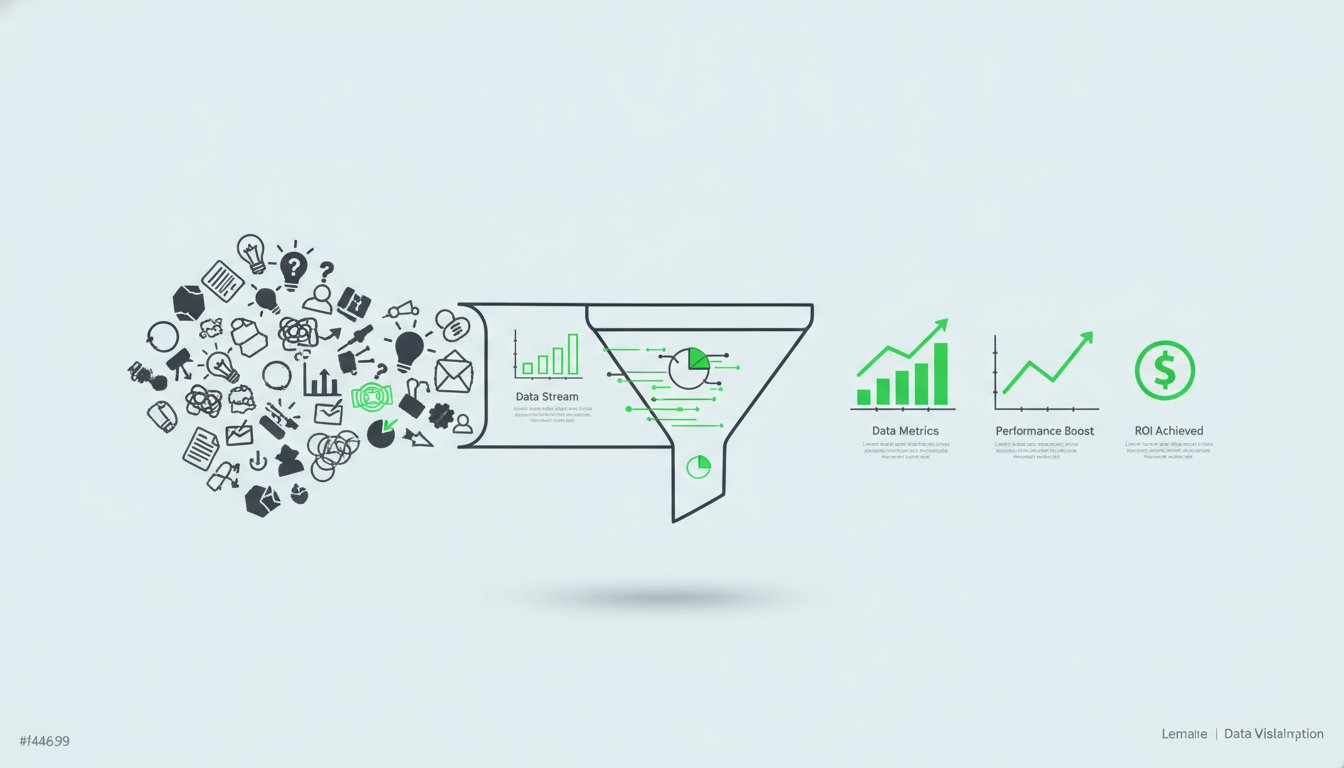
Building a high-impact infrastructure for innovation requires more than a digital repository. It demands an active engine designed to eliminate administrative friction while supporting the full lifecycle of an idea. A modern platform for continuous improvement ideas must function as a high-performance filter that prioritizes value over volume. Without this architecture, organizations quickly become overwhelmed by the “noise” of low-quality submissions, leading to the administrative burnout mentioned previously. By 2025, it’s projected that 40% of employee engagement software will incorporate AI to solve this exact problem, moving beyond simple storage to intelligent processing.

Leveraging AI for Idea Evaluation

Gamification and the Psychology of Participation

Software alone doesn’t create a culture of continuous improvement; people do. Sustained participation relies on the psychology of recognition rather than just monetary incentives. High-impact platforms utilize gamification features like transparent voting, leaderboards, and peer recognition to create a “democracy of ideas.” These elements foster a sense of ownership, making employees feel like active stakeholders in the company’s success. Structured Innovation Challenges further focus this energy by directing the workforce toward solving specific business bottlenecks rather than submitting random thoughts. This targeted approach ensures that the collective intelligence of your team is always aligned with high-priority executive goals. To see how these features work in a live environment, you can schedule a brief walkthrough of the platform.

3 Examples of Continuous Improvement Ideas in Action

To understand the power of a platform for continuous improvement ideas, you must look beyond abstract methodologies and examine the tangible results of frontline insights. High-performing organizations don’t just wait for lightning to strike; they build an infrastructure that captures every spark. Every suggestion should ideally aim to eliminate one of the 8 forms of Lean waste, such as overproduction, waiting times, or defective processing. By categorizing these insights, leaders can maintain a healthy balance between incremental vs. radical innovation, ensuring the business evolves at every level simultaneously.

Example 1: The Incremental Efficiency Tweak

In a complex logistics environment, a frontline operator identified a redundant data entry step that added zero value to the end customer. By submitting this observation through a dedicated platform, they triggered a workflow that eliminated a specific instance of overproduction waste. The result was a 15% reduction in processing time for that specific product line. This wasn’t just a “suggestion”; the platform tracked the implementation from the warehouse floor directly to the executive dashboard. It provided leadership with immediate visibility into the cumulative cost savings that would have otherwise been lost to administrative friction.

Example 2: The “Mistake” That Became a Product

Not every breakthrough begins as a deliberate project. The history of Post-it notes is a classic example of an employee idea that was originally a mistake. Dr. Spencer Silver created an adhesive that didn’t stick strongly enough for its intended use, yet he recognized its potential for something else. In a modern setting, a centralized database prevents these moments of unintended brilliance from being lost in private email threads. It allows other departments to view, vote on, and iterate on “failed” experiments, turning internal accidents into global market leaders.

Example 3: The Radical Cultural Shift

Radical shifts often emerge from the most unexpected corners of the workforce. The Flamin Hot Cheetos story remains the ultimate testament to frontline empowerment, where a janitor’s insight revolutionized an entire product category. Today’s enterprises replicate this success by using their platform to host virtual hackathons designed to tackle deep technical debt or cultural bottlenecks. These initiatives empower employees to move beyond small tweaks and propose fundamental changes to the business model, creating a high-performance culture where every voice has the potential to drive organizational growth through ideas and deliver massive financial impact.

Evaluating and Prioritizing Ideas for Maximum ROI

Collecting thousands of suggestions is the easy part. The real challenge lies in distinguishing high-value insights from the inevitable “noise” that high-volume crowdsourcing produces. Without a structured idea evaluation process, organizations fall into the trap of “innovation theater.” This is a state where teams are busy with activity but fail to move the needle on key performance indicators. A modern platform for continuous improvement ideas eliminates this ambiguity by providing a systematic scoring framework. By involving cross-functional experts during the evaluation phase, you ensure that ideas are viewed through multiple lenses, from technical feasibility to market demand.

The core of this prioritization is the Impact vs. Effort matrix. This tool allows managers to quickly identify “Quick Wins,” which are improvements that require minimal resources but deliver immediate gains. Strategic projects, while requiring more significant investment, are also clearly defined and tracked. Automated workflows then take the highest-scoring ideas and move them directly into a project initiation phase, ensuring momentum isn’t lost to administrative delays. It’s about building a pipeline that prioritizes results over mere participation.

Data-Driven Decision Making

When you’re presenting a new initiative to the C-suite, anecdotes aren’t enough. Numbers are the only language that matters for budget approval. Using an idea management ROI calculator allows you to predict potential financial outcomes before you commit a single dollar to implementation. This predictive capability is enhanced by Stage-Gate workflows, which require ideas to meet specific criteria before advancing to the next level of investment. This disciplined approach protects your resources and ensures that your innovation program is viewed as a profit center rather than a cost center. For a comprehensive look at the frameworks and metrics required to quantify these results, explore our guide on how to measure continuous improvement across your enterprise. If you’re ready to see how a data-driven approach can transform your operations, you can book a demo to see these evaluation tools in action.

Avoiding Common Evaluation Pitfalls

One of the most persistent threats to a successful continuous improvement program is the “HiPPO” effect, or the Highest Paid Person’s Opinion. When the most senior person in the room dictates which ideas move forward, it kills employee engagement and often leads to suboptimal choices. To counter this, many high-performing teams use reverse brainstorming to stress-test ideas. Instead of asking why an idea will work, you ask why it might fail. This identifies hidden risks early in the lifecycle. Standardizing what you look for is also vital. Following a specific checklist for what makes an idea great ensures that every suggestion is evaluated on its own merit, regardless of who submitted it. This objectivity is what separates world-class innovation programs from those that eventually fizzle out.

Implementation: Turning Your Platform into a Competitive Advantage

Implementation is often mistaken for a mere technical task. In reality, it’s a cultural shift that requires deep executive buy-in to succeed. A successful implementation signals to the entire organization that innovation isn’t a one-time event but a permanent strategic priority. To build momentum without overwhelming your teams, start with a focused pilot program or a targeted Innovation Challenge. This approach allows you to prove the value proposition in a controlled environment before scaling. By 2026, the organizations that lead their industries will be those that have successfully moved past the “suggestion box” mentality and toward a disciplined execution model.

The Build vs. Buy Dilemma

Many enterprises consider developing an internal tool to manage suggestions, but the hidden costs of maintenance and technical debt are often prohibitive. When you compare building vs. buying idea management software, the advantage of a purpose-built system is clear. Specialized platforms offer modern architecture and no-code configurability that allow you to scale across thousands of users without constant IT intervention. A purpose-built platform provides immediate access to advanced features like AI-driven evaluation and automated ROI tracking that would take years to develop in-house. Choosing a dedicated solution ensures your long-term cost savings are maximized through immediate operational gains and zero maintenance overhead.

Your 90-Day Roadmap to Operational Excellence

Moving from a static environment to a high-output innovation engine requires a methodical plan. The phases of continuous improvement begin with technical configuration and move quickly into active crowdsourcing and evaluation. A critical, yet often overlooked, step is “closing the loop” with your employees. Publicly celebrating successful implementations and acknowledging contributors ensures the pipeline remains full of high-quality insights. This transparency turns a software rollout into a sustainable competitive advantage that competitors simply can’t replicate. It’s time to stop settling for average results and start building a culture of excellence. Schedule a demo today to see how Ideawake can transform your operational efficiency.

Scaling Operational Excellence with Data-Driven Precision

The transition from a passive suggestion box to a strategic platform for continuous improvement ideas is the difference between operational stagnation and market leadership. By centralizing crowdsourced insights and applying AI-driven evaluation, organizations can reduce administrative overhead by up to 80% while ensuring no high-value concept is lost. You’ve seen how structured workflows and transparent ROI tracking turn frontline observations into documented financial gains. It’s time to stop letting potential vanish into fragmented spreadsheets and start building a permanent competitive moat.

Ideawake provides the end-to-end innovation lifecycle management you need to move from initial submission to final impact measurement. With a proven track record of enterprise-scale implementations globally, we help you bridge the gap between employee brilliance and executive strategy. Don’t let your organization settle for average engagement when you can unlock a high-performance culture of excellence. Transform your frontline ideas into measurable ROI; sign up for an Ideawake demo today.

Your team already has the answers to your most pressing efficiency challenges. Give them the tools to make those answers heard and watch your organization thrive.

Frequently Asked Questions

What is a platform for continuous improvement ideas?

A platform for continuous improvement ideas is a centralized digital ecosystem that allows organizations to crowdsource, evaluate, and implement employee-led changes. Unlike static tools, it provides a structured workflow to move from raw insight to measurable financial impact. It functions as a strategic engine for operational excellence; it ensures that frontline intelligence is captured and aligned with executive goals rather than being lost in fragmented communication channels.

How does continuous improvement software differ from a suggestion box?

Continuous improvement software provides transparency and accountability that physical or digital suggestion boxes lack. While suggestion boxes often become “black holes” where ideas disappear, modern platforms offer real-time tracking and automated feedback loops. This ensures every contributor knows exactly where their idea stands in the evaluation pipeline. It transforms passive submission into an active, collaborative project management cycle that prioritizes results over mere activity.

Can this platform integrate with our existing tools like Microsoft Teams or Jira?

Modern platforms are designed to live where your employees already work by integrating with tools like Microsoft Teams, Slack, and Jira. These integrations reduce the friction of switching between applications, which is vital for maintaining high participation rates across a diverse workforce. By embedding the submission process into daily communication channels, you ensure that capturing a breakthrough idea is as simple as sending a chat message.

How do we measure the ROI of a continuous improvement program?

ROI is measured by tracking the tangible cost savings, efficiency gains, and time reclaimed through implemented ideas. High-impact platforms include built-in dashboards that quantify these metrics against the initial investment in real time. Beyond direct financial impact, you should also monitor qualitative gains like increased employee retention and safety improvements. Data-driven reporting ensures your innovation program remains a visible profit center that justifies its own budget. To go deeper on the specific frameworks and KPIs used by data-driven enterprises, see our detailed breakdown of how to measure continuous improvement for 2026.

What are some examples of successful continuous improvement ideas?

Successful ideas range from incremental process tweaks to radical shifts in business models. Common examples include identifying redundant steps in a production line to reduce waste or implementing new safety protocols that lower insurance premiums. Other wins might involve optimizing energy consumption in facilities or digitizing manual paperwork to save hundreds of administrative hours. The key is that every idea addresses a specific operational bottleneck with a clear path to implementation.

How do we encourage employees to submit their ideas regularly?

Sustained engagement is driven by recognition and the visible implementation of ideas rather than monetary rewards alone. Use gamification features like leaderboards and peer voting to foster a healthy “democracy of ideas” within the office. Launching targeted Innovation Challenges also focuses employee energy on solving specific, high-priority business problems. When staff see their contributions actually changing the workplace, participation naturally becomes a core part of the organizational culture.

Is AI used in evaluating the ideas submitted to the platform?

AI is a mandatory component for modern platforms to manage high submission volumes without increasing administrative burden. It automates the first pass of screening by identifying duplicate ideas and clustering similar themes into actionable groups. This allows innovation managers to focus their time on high-potential concepts rather than manual data entry. By 2025, it’s projected that 40% of employee engagement software will incorporate AI to solve these exact evaluative bottlenecks.

How long does it take to implement a continuous improvement platform?

Full implementation of a platform for continuous improvement ideas typically takes between two to six weeks. This timeline depends on the scale of your organization and the complexity of required software integrations. A phased approach starting with a pilot program allows you to demonstrate quick wins and refine your strategy before a full-scale rollout. Expert partners accelerate this process by handling technical setup and cultural training concurrently to ensure immediate adoption.

Article by

Coby Skonord

Coby Skonord is the co-founder and CEO of Ideawake. Since 2013 he has worked with enterprise innovation, continuous improvement, and HR leaders to turn employee ideas into measurable business impact.