Continuous Improvement Software: The 2026 Buyer’s Guide to Operational Excellence
Why are 77% of organizations still flying blind while their competitors use real-time process intelligence to outpace them? Research indicates that…
Why is it that enterprise leaders can track every cent of a marketing budget but struggle to quantify the value of a thousand employee ideas? You…
Why do 82% of employees cite learning and growth as their primary engagement driver while most organizations still treat their best ideas like junk…
Peter Drucker argued that innovation is not a random flash of creativity. It is a disciplined search for opportunity. For business leaders, that distinction matters because it moves innovation from abstract thinking into a process that can be managed, measured, and improved. Drucker’s seven sources of innovation give organizations a practical way to identify where new value may come from. Some sources appear inside the company or industry, such as
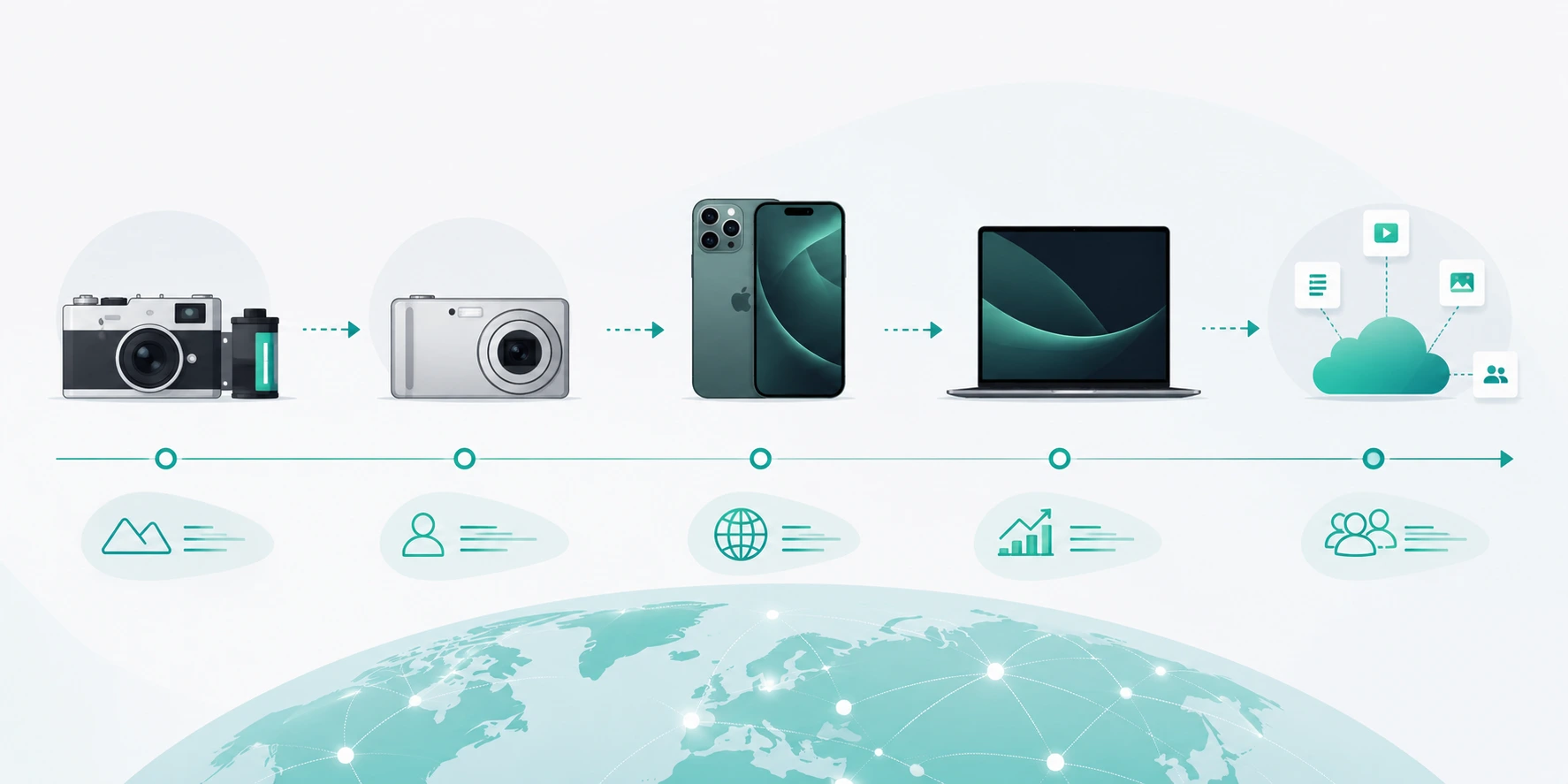
Some products do more than sell well. They change how people live, work, communicate, travel, and make decisions. A truly innovative product solves a real problem, creates new behavior, and often becomes the foundation for more innovation. The best examples are rarely finished on day one. They evolve through better design, stronger infrastructure, lower costs, and wider adoption. Below are 10 innovative product examples that changed the world, along with
Nike is often described as an innovative brand, but that label can be a little too vague to be useful. Plenty of companies launch new products. What makes Nike worth studying is not just that it creates new things. It is that Nike has built a system for turning athlete insight into products that can survive testing, internal handoffs, manufacturing realities, and commercial pressure. That distinction matters for innovation leaders.
Ten years later, AlphaGo still matters for a reason that goes beyond AI history. It did not just beat Lee Sedol at Go in 2016. It showed the world that a well-designed system can search a huge possibility space, learn faster than expected, and produce a move experts did not see coming. That is why AlphaGo remains one of the clearest modern examples of how breakthrough innovation actually happens. Most
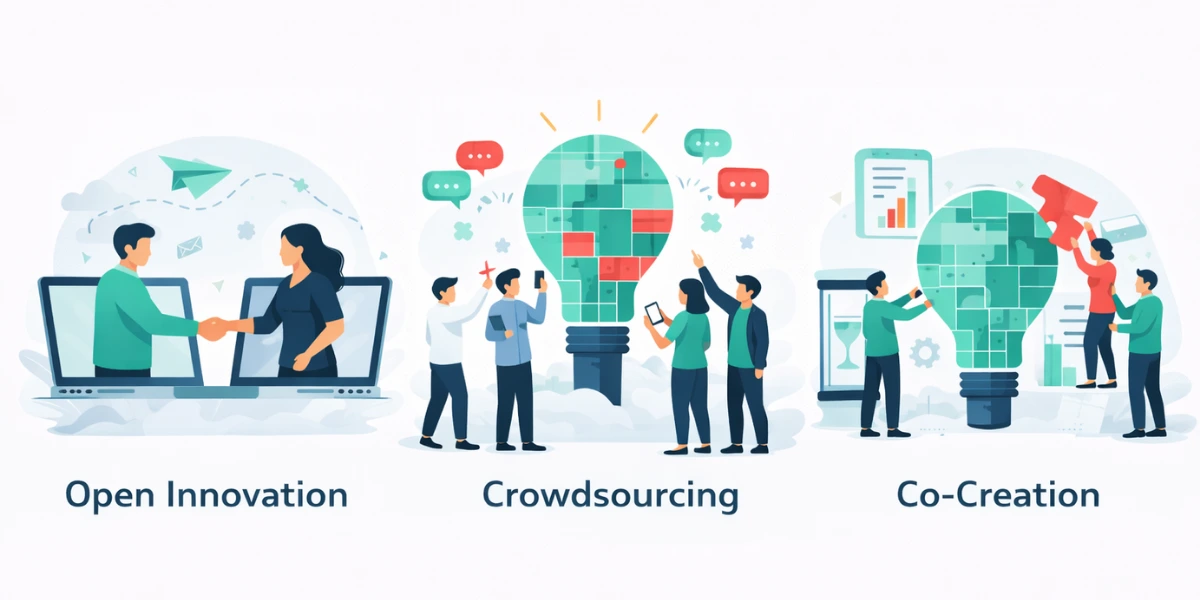
Continue ReadingA lot of teams use these three terms as if they mean the same thing. They do not. They overlap, and they can absolutely support the same innovation pipeline, but they solve different problems and require different levels of structure, participation, and follow-through. That distinction matters more than most teams realize. If you choose the wrong model, you can end up with shallow input when you needed real collaboration, or
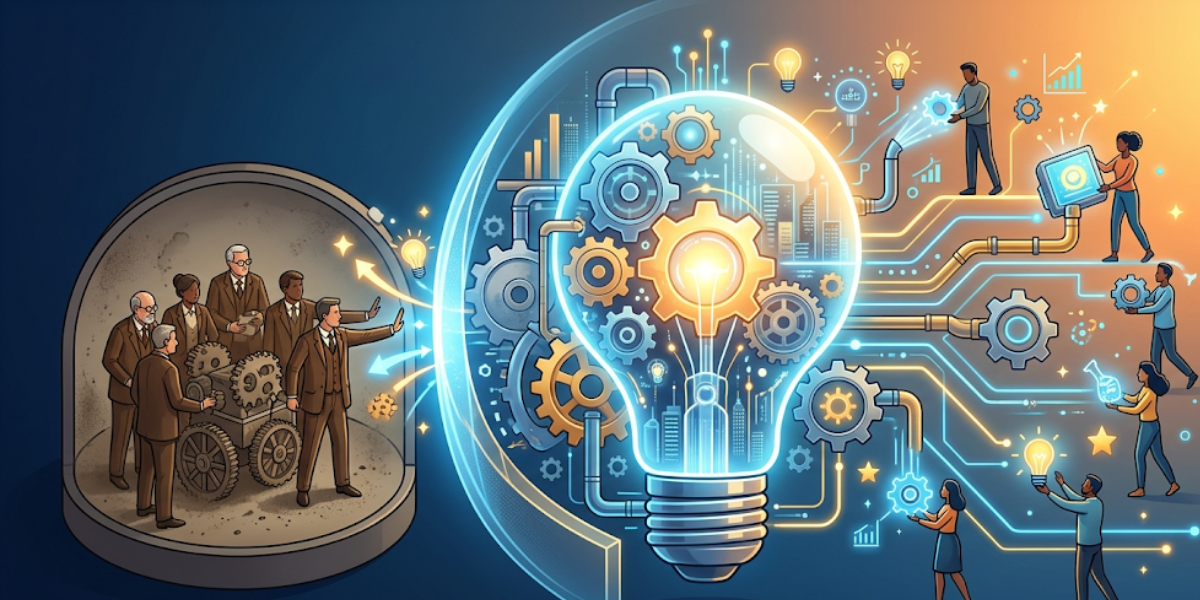
Innovation today is no longer about building everything from scratch. The most successful companies are those that combine internal creativity with external ideas. Yet many organizations still fall into a silent trap that slows growth and limits progress. This trap is known as Not Invented Here syndrome, and it continues to impact innovation success across industries more than most leaders realize. Understanding Not Invented Here Syndrome (NIH) At its core,
Innovation challenges work for one reason: they create focus. Instead of asking for “any ideas,” you give people a clear problem, a time window, and a reason to participate. That structure turns scattered creativity into actionable proposals your organisation can evaluate and implement. But not every challenge delivers impact. Many generate a burst of activity, a lot of submissions, and then a quiet fade-out where nothing gets implemented. When that